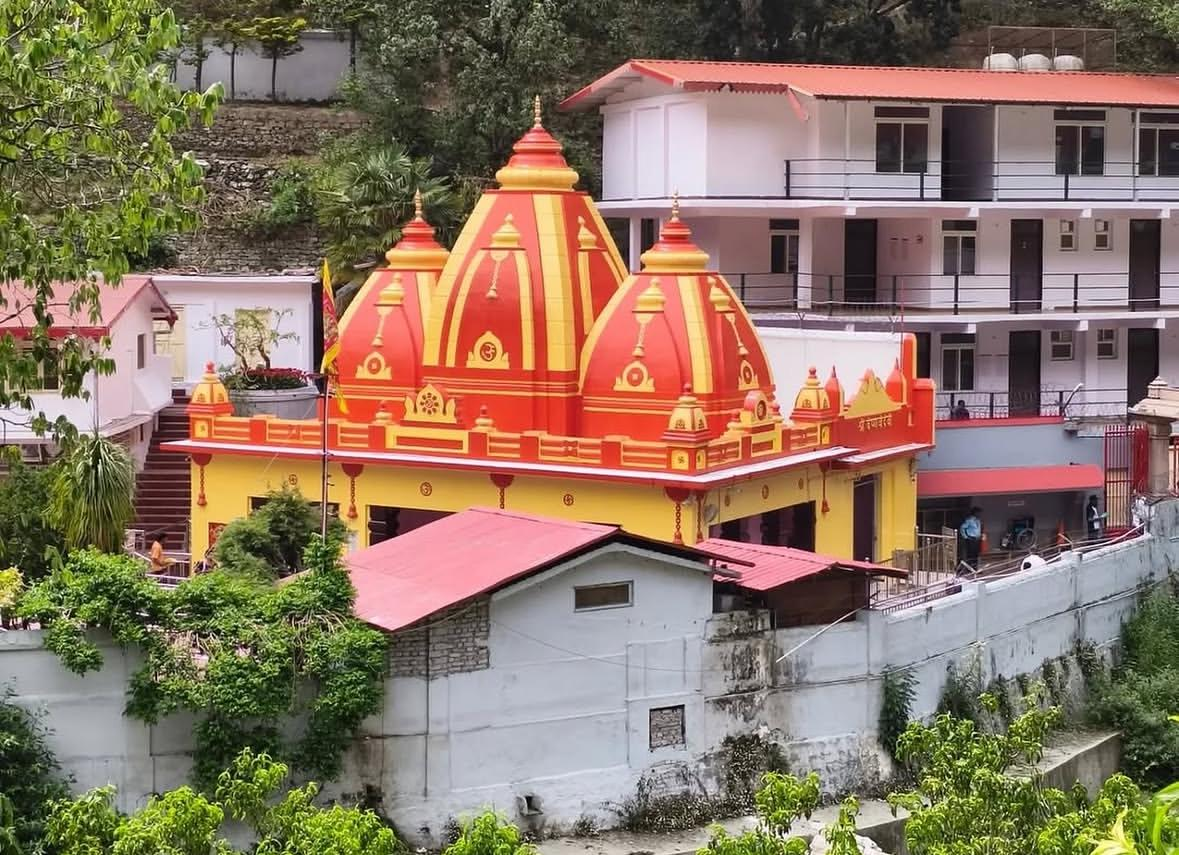
A Sacred Place of
Eternal Remembrance
Vrindavan holds a place of the deepest reverence in the devotional history of Param Pujya Neeb Karori Maharaj Ji. It was here, on 11 September 1973, that Maharaj Ji left his physical body and entered Mahasamadhi, in the same sacred land that holds the memory of Lord Krishna's own leelas.
For devotees, Vrindavan is not a place of sorrow but of remembrance, quiet devotion and eternal connection.
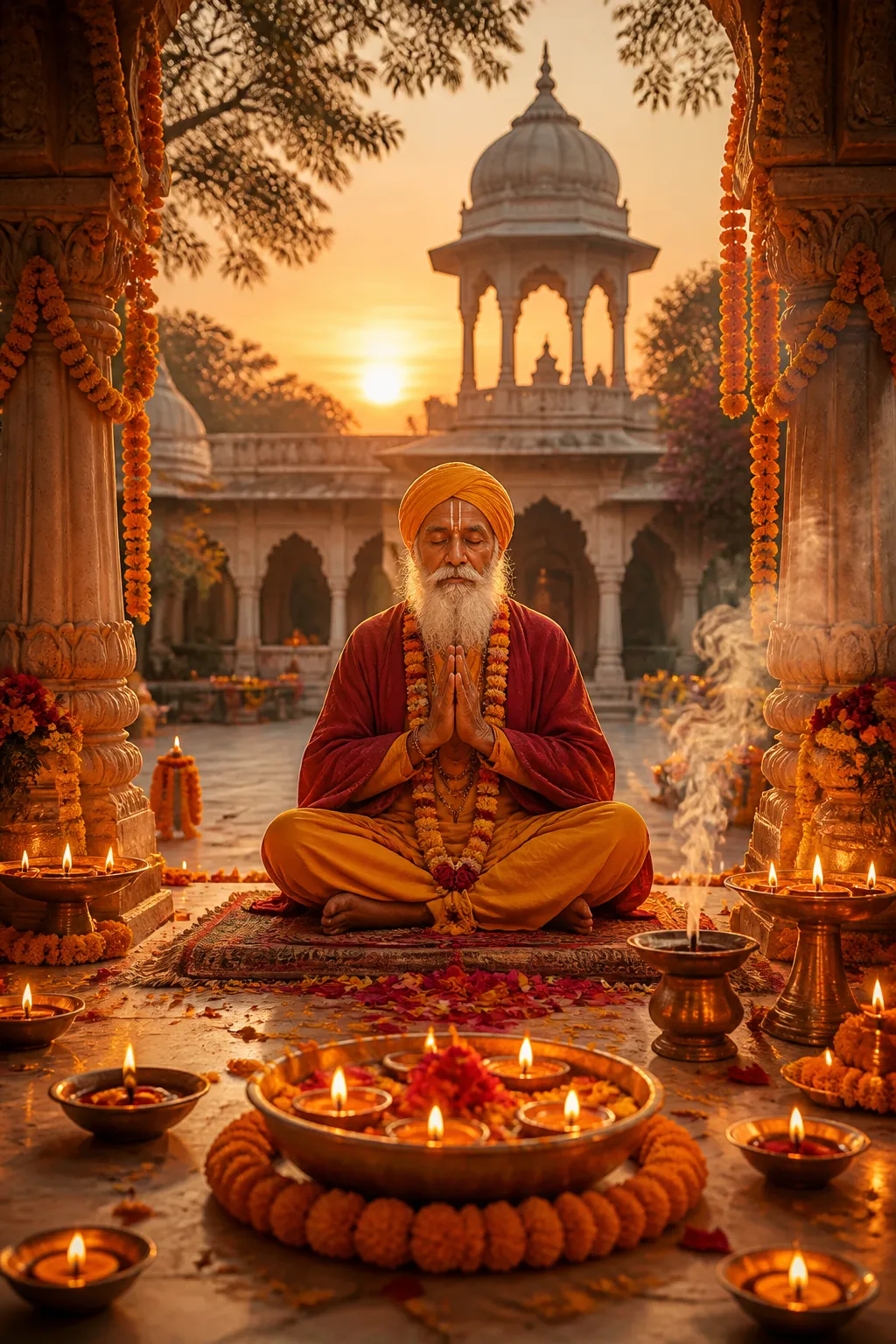
"Sub ek hain. We are all one."
Param Pujya Neeb Karori Maharaj Ji
Where Maharaj Ji Returned to the Divine
On 11 September 1973, Param Pujya Neeb Karori Maharaj Ji entered Mahasamadhi in Vrindavan. For his countless devotees, this is not a date of grief but one of profound reverence, a moment of divine completion in the holiest of lands.
The Mahasamadhi shrine stands today as a living place of prayer, reflection and connection. Devotees travel from every corner of India and beyond to sit quietly before it, offer flowers and lamps, and feel the nearness of Maharaj Ji's presence unchanged by the passing of decades.
In Vrindavan, even the air carries the whisper of his grace.
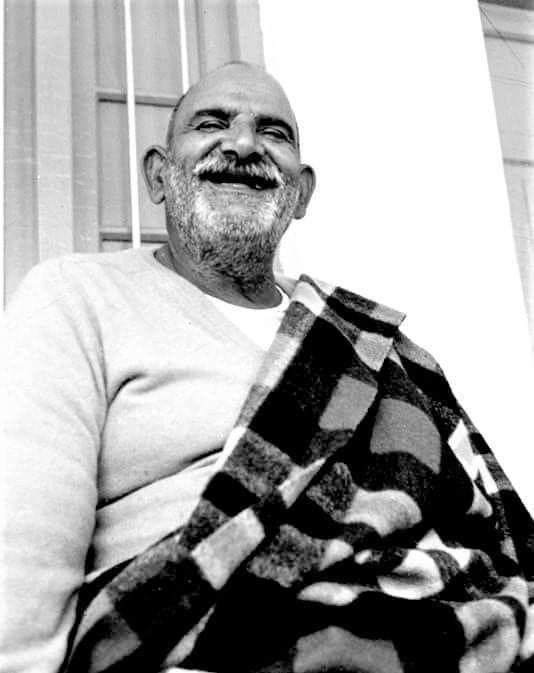
A Living Tradition of Humility and Devotion
The ashram in Vrindavan preserves the atmosphere of simplicity and devotion that defined every aspect of Maharaj Ji's life. Its temple and surrounding spaces continue to welcome devotees who come to sit quietly, offer prayers and remember his teachings of love and selfless service.
Devotional traditions here reflect the same spirit found at Kainchi Dham: humility, remembrance of God and service to others. Regular prayers, devotional singing and quiet gatherings keep this spirit alive for new generations of visitors from across the world.
Many devotees describe their time at the Vrindavan ashram as deeply personal, a space where Maharaj Ji's presence feels close and constant, even decades after his Mahasamadhi.
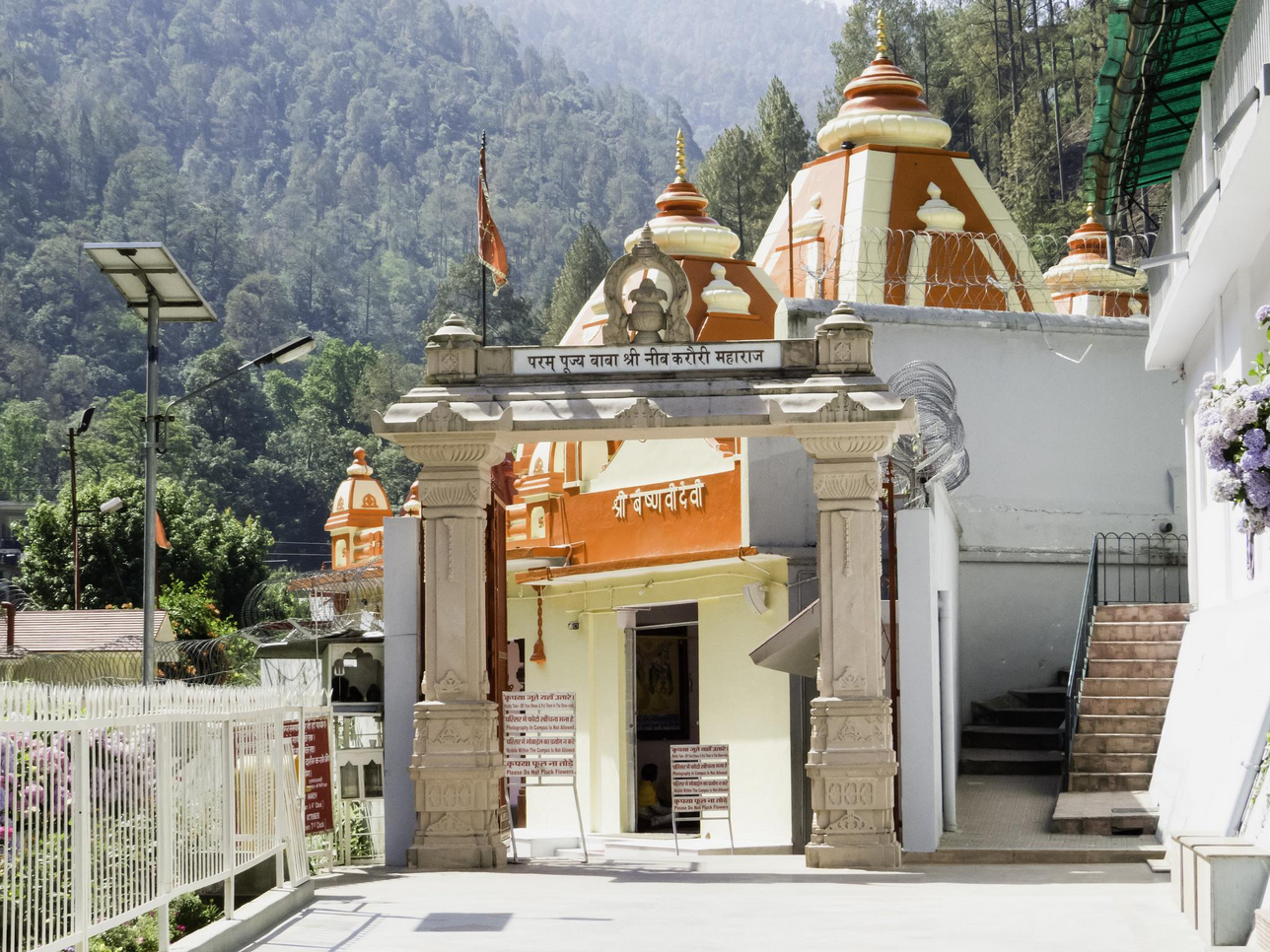
The Ashram
A place of simple beauty carrying the spirit of Maharaj Ji's teachings in every corner.
Mahasamadhi Shrine
The sacred site where devotees gather to offer prayers and feel his eternal presence.
Devotional Singing
Bhajans and kirtans keep the living devotional tradition vibrant for all who visit.
Visitors Welcome
Devotees travel from across India and around the world to visit this sacred ground.
What Pilgrims Carry Away from Vrindavan
Those who walk the sacred ground of the Vrindavan ashram often speak of the same thing: a quiet, unmistakable sense that Maharaj Ji is still present, still extending his grace to all who come with an open heart.
"I had heard so much about Vrindavan, but nothing prepared me for the stillness at the Mahasamadhi shrine. I sat there for an hour without a single thought. Just peace. Just his presence."
"I travelled from the United States to visit Kainchi Dham and Vrindavan. It was at the Vrindavan ashram that I truly understood what Maharaj Ji meant by being here now. The place itself is his teaching."
"We come every year on the anniversary of his Mahasamadhi. The devotees who gather, the singing, the simple food shared together - it is exactly as he lived. Love all, feed all, remember God."
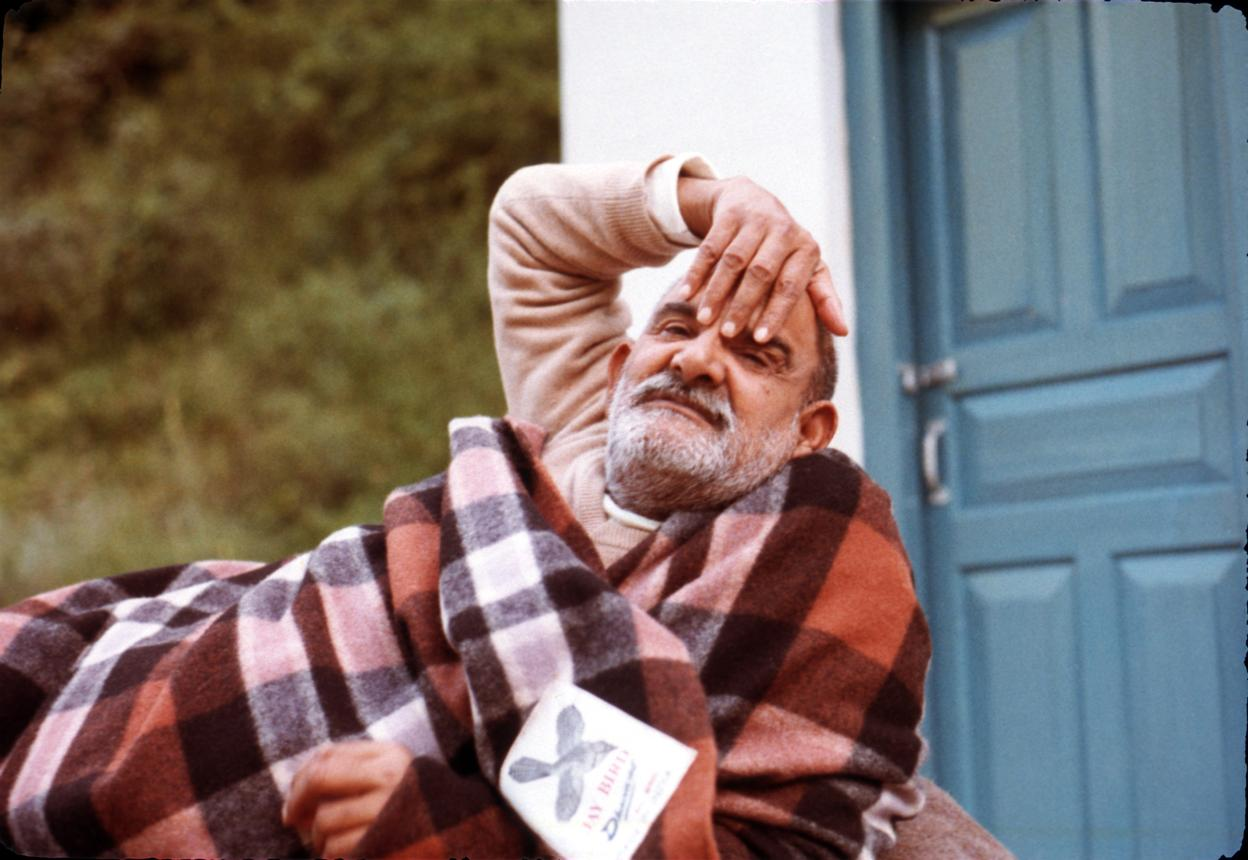
The eternal land where Lord Krishna played, and where Maharaj Ji chose to return to God.
Discover Vrindavan's
Sacred Devotional History
Learn more about Vrindavan's place in Maharaj Ji's life, the Mahasamadhi shrine and the devotional traditions that continue to draw thousands of pilgrims each year. Explore the stories of devotees who have walked this sacred ground and felt his grace endure.
About the Vrindavan Ashram
When did Maharaj Ji take Mahasamadhi in Vrindavan?
Param Pujya Neeb Karori Maharaj Ji entered Mahasamadhi on 11 September 1973 in Vrindavan, Uttar Pradesh, India. For devotees, this date is observed with deep reverence, prayer and remembrance rather than grief, understood as the moment of his divine completion and eternal return to God.
What is the significance of Vrindavan for Maharaj Ji's devotees?
Vrindavan is one of the most sacred towns in all of India, revered as the land of Lord Krishna's leelas and spiritual play. For Maharaj Ji's devotees, it carries an additional and deeply personal significance: it is where Maharaj Ji chose to leave his physical form and where the Mahasamadhi shrine stands today. Many devotees describe the ashram as a place where his presence feels closer than anywhere else, even decades after his passing.
What can visitors do at the Vrindavan Ashram?
Visitors are warmly welcomed to sit quietly at the Mahasamadhi shrine, offer prayers, flowers and diyas, and participate in the devotional singing and gatherings that take place regularly. The ashram's atmosphere of simplicity and grace invites a slow, contemplative visit. Those who come with an open and respectful heart are invited to stay as long as they wish and to absorb the peace that pervades the grounds.
How does the Vrindavan Ashram compare to Kainchi Dham?
Both ashrams carry the same essential spirit of humility, remembrance of God and selfless service that defined Maharaj Ji's life and teaching. Kainchi Dham is especially well known for the vibrant June bhandara and its festival-like gatherings of pilgrims. Vrindavan has a more intimate and contemplative character, shaped by its identity as the site of Maharaj Ji's Mahasamadhi. Many devotees visit both and find each to be a complete experience in its own way.
Is there a particular time of year to visit Vrindavan?
The ashram is open throughout the year to all who wish to visit. Many devotees choose to travel to Vrindavan around the anniversary of Maharaj Ji's Mahasamadhi on 11 September, when gatherings of prayer and devotional singing draw pilgrims from across India and around the world. Vrindavan itself is also particularly alive during the festivals of Holi and Janmashtami, which draw enormous crowds to this most sacred of Krishna's towns.
Stay Connected with Maharaj Ji's Legacy
Receive gentle reflections on his teachings, updates from Kainchi Dham and Vrindavan Ashram, and stories from devotees who carry his message forward. There is no obligation, only an open door.
"The best form of worship is to serve others and remember God."
Jai Shri Ram - Jai Hanuman